🇮🇹 Italiano | 🇬🇧 English | 🇪🇸 Español | 🇩🇪 Deutsch

Stories

Stories are born from people, places and the times they live through.

This section will feature stories, insights and reflections on the events that have shaped a family and an era.

Interview with the author of Dreams, Communists and Other Disasters

Behind the scenes of «Dreams, Communists and Other Disasters»: an interview with the author

An interview about the book, childhood memories, and the lives we might have lived.

Where does Lidia come from? How much of the author is there in the girl at the heart of the story? And why does the book combine childhood memories with dreams and alternative lives? We talked with the author about it.

Il Mazarol

Il Mazarol (in Italian)

A story by Natalino Merotto, 2000

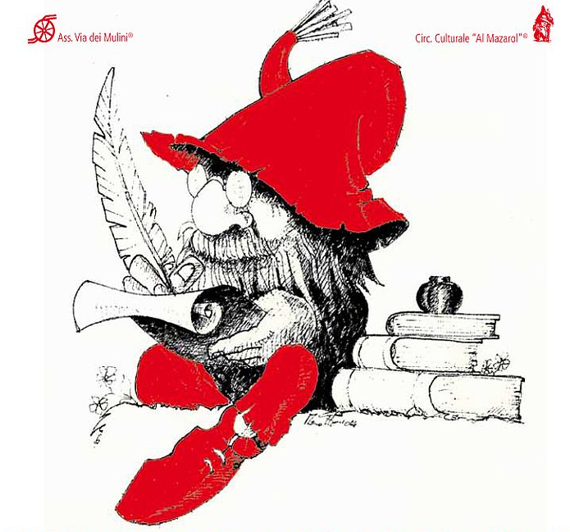
The Mazarol is a small creature of the woods, shy and mysterious, with a long beard and hair, a pointed red hat and a mischievous and unpredictable character.

The short story presented here was written by Natalino in 2000 and faithfully conveys the voice of the Mazarol himself, describing his encounter with the members of the association "La via dei Mulini – Al Mazarol" and his opposition to the forced move from the old premises to the new one.

Presentation of Il parco della contessa

The presentation of Il parco della contessa

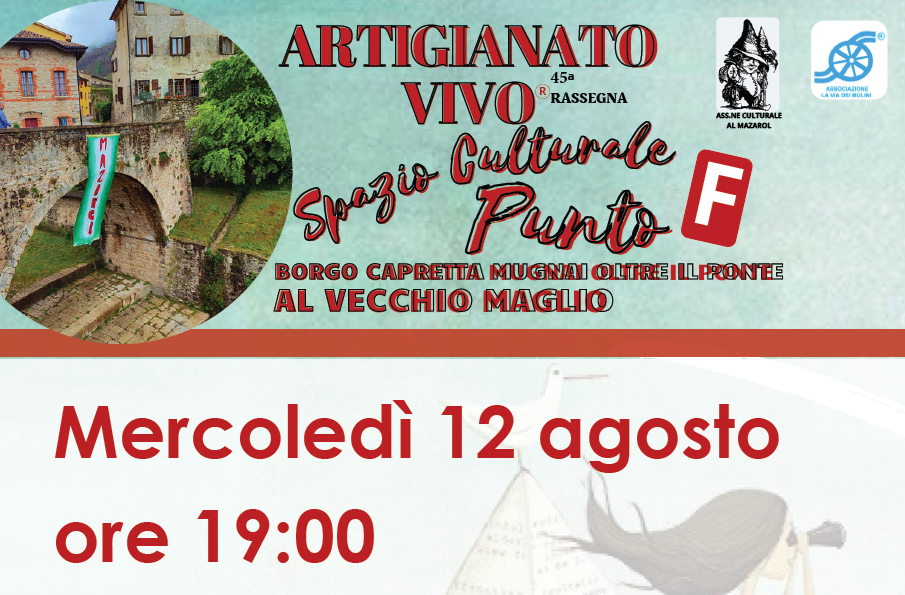
12 August 2026, Cison di Valmarino

Presentation of The Countess's Park

Presentation of Il Parco della Contessa

A family story, a piece of a place, the memory of an era.

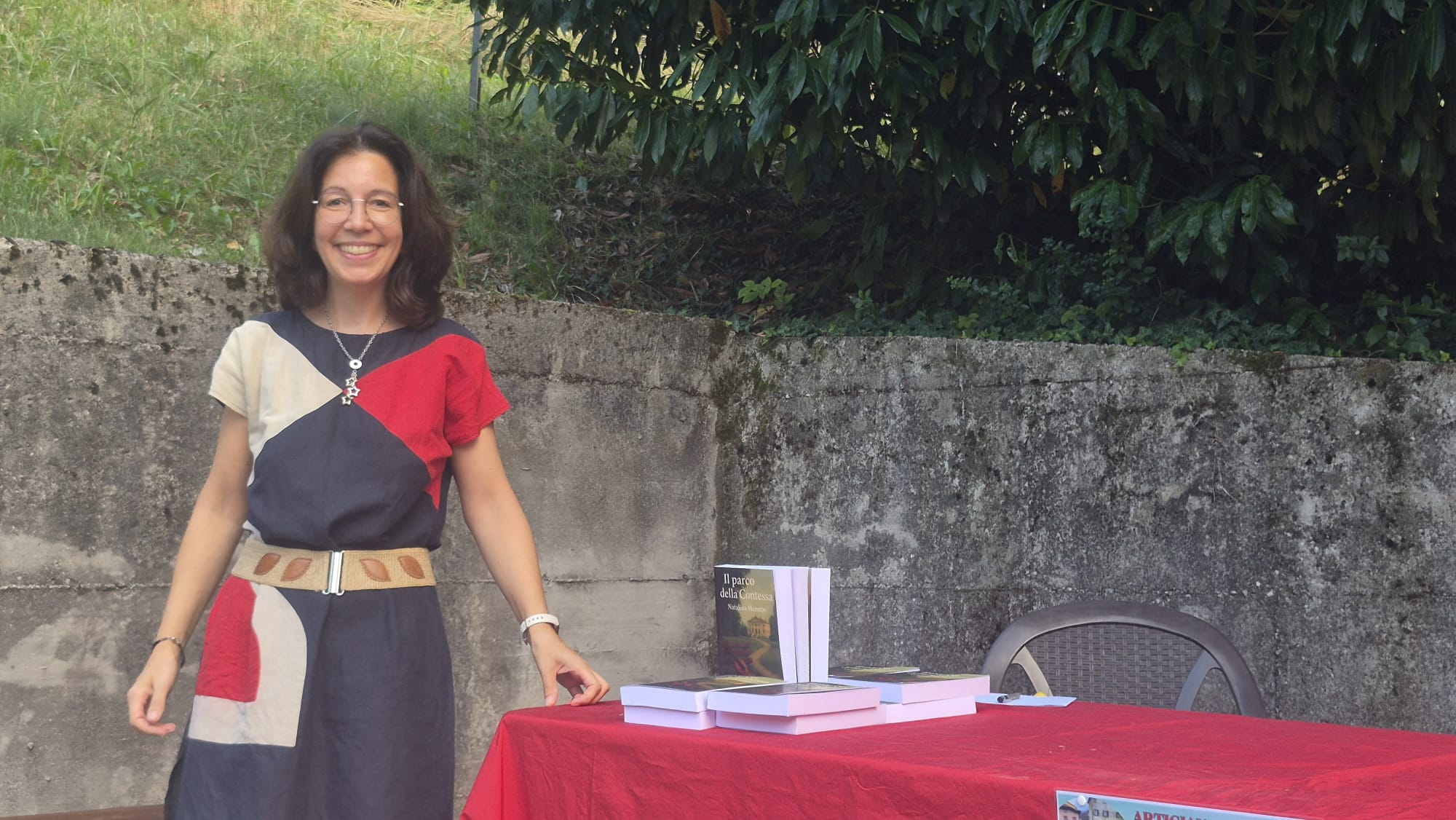
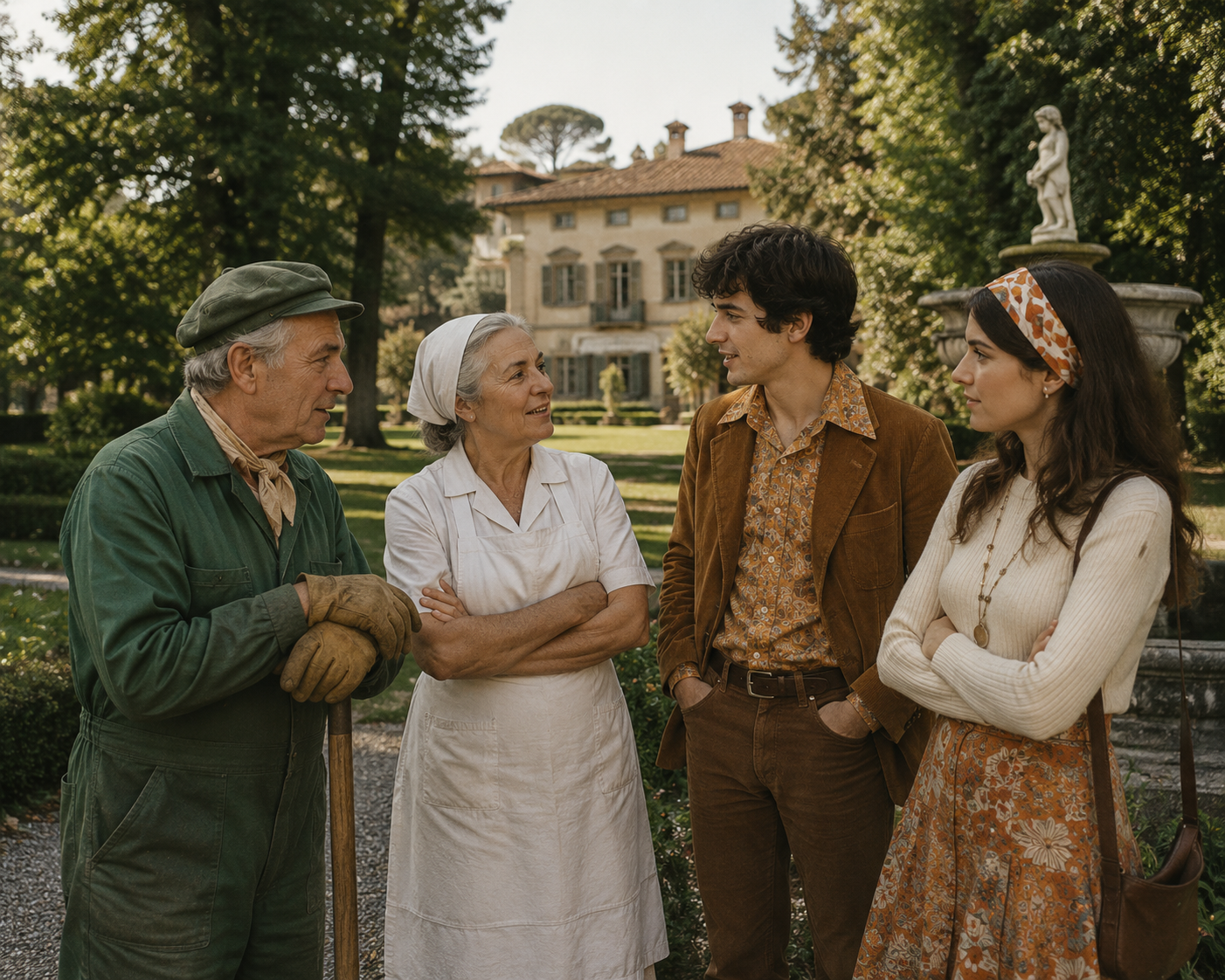
On 12 August 2026, in Cison di Valmarino, the presentation of The Countess's Park, the novel written by my dad Natalino, will take place: an unfinished story that, after his death, I decided to complete and share.

Natalino loved reading, writing and telling stories. He was a teacher, passionate about culture and memory, and through his characters he brought together many of the things he cared about: the Veneto of his life, school, social commitment, friendship, ideals and the contradictions of a generation. Set in the province of Treviso in the 1970s, Il Parco della Contessa is a realistic and nostalgic novel, populated by ordinary people and small but meaningful stories. Because, as Emmanuel Carrère once said, when we tell the story of a family, we often end up telling the story of a century as well. I tried to preserve my dad's voice, completing the novel from his notes and from the conversations we had about the plot and the characters. It was an act of care, but above all a way of allowing this story to continue its journey. I look forward to seeing you in August to talk about it together.

Download the presentation flyer

The Countess's Park

When a place changes your life

Have you ever had a place change your life? Or, when everything falls apart, have you ever found yourself in an unexpected place that introduced you to people who would become the beginning of a new chapter?

After a betrayal, Giovanni has to start all over again. And the place that saves him is not the one he would have imagined.

Sometimes we think we have to build our lives by choosing the pieces ourselves: a marriage, a job, friends, a place to live.

And yet, in the most difficult moments, it is sometimes unexpected places and people that offer us a different path. And teach us to see the world with new eyes.

In the park of a Countess who offers him help, Giovanni finds not only a place to live, but also new people, and an unconventional way of being a father.

What about you? Is there a place that, at some point in your life, changed you?


Giovanni's story is told in The Countess's Park.

Donata R. Gai

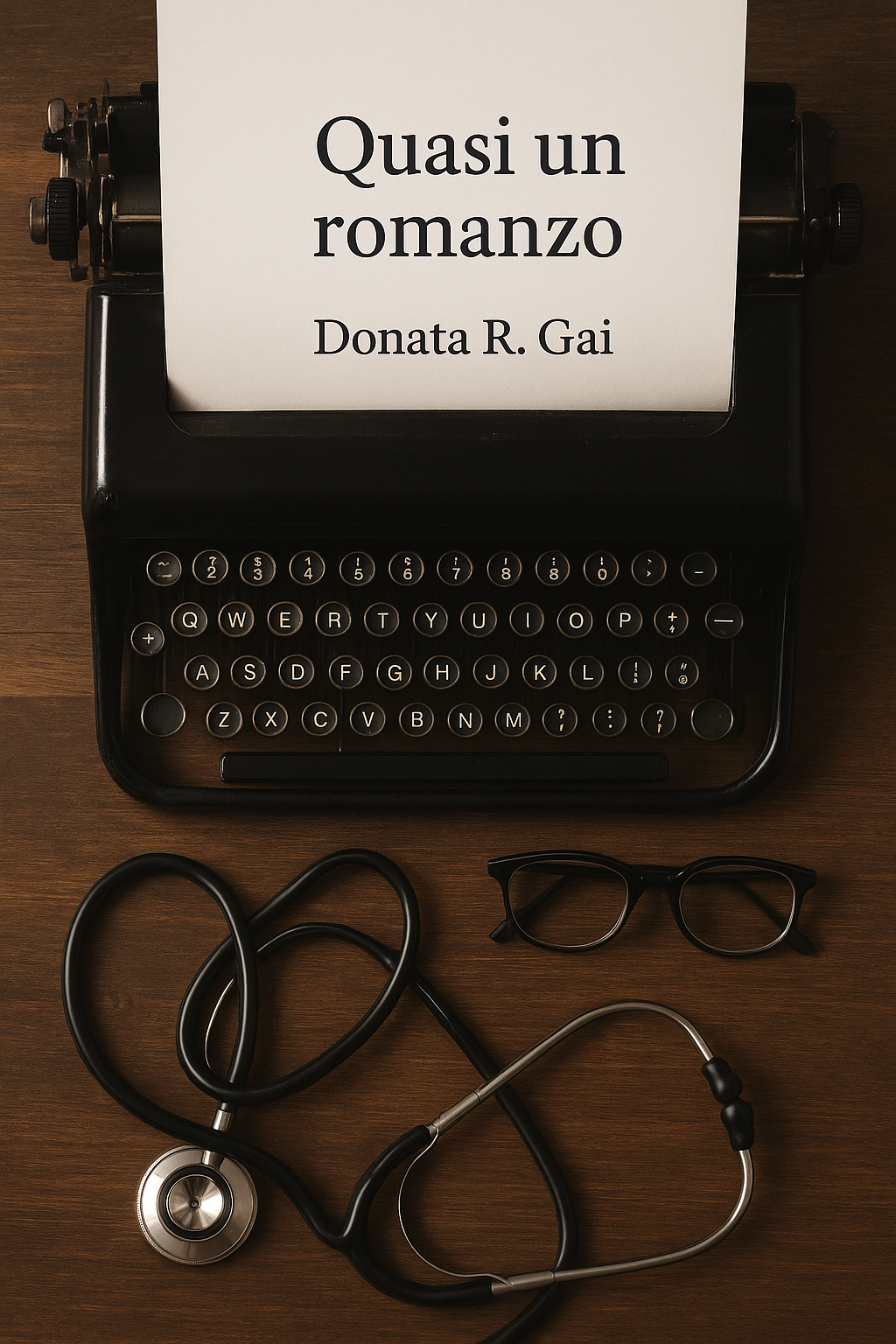
A woman, a doctor, an era

If my father told the story of the world, my mother lived through it every day, in a profession that in the early 1970s, in a small-town setting, was still deeply male-dominated.

She was a doctor. A woman.

And back then, that was not a minor detail. It was a position she had to earn every day, in a context that was not always ready to accept her for what she was: a professional, a woman.

Her book was born from that experience — from that concrete, everyday reality, but also from everything that never makes it into medical reports, consultations or hospital rooms.

These pages contain an intimate, personal story. But they also offer something broader: a glimpse into an era when the role of women in medicine, and in society, was still undergoing profound change.

At Casa Donatalina, every book tells a different perspective on the same family story. And my mother's book is perhaps the most “quiet” one — but also one of the most profound.

What do you think? Are these still relevant issues today?


Dani's story is told in Almost a Novel.

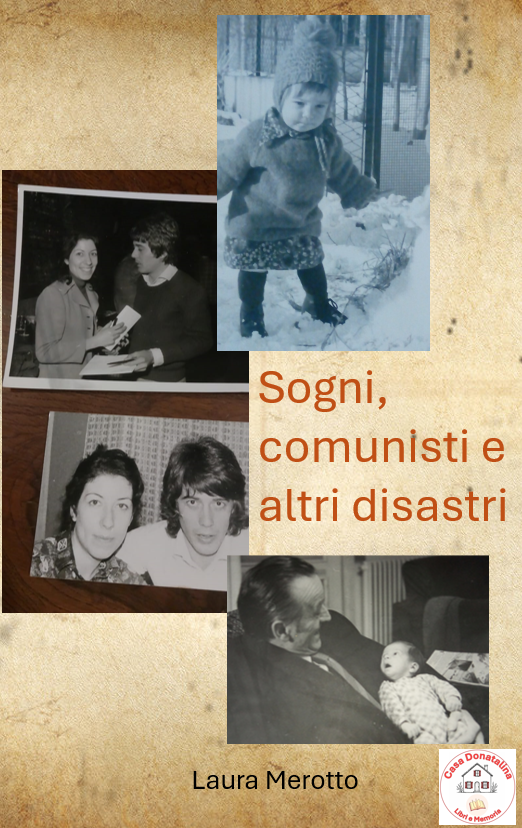
Cover of Dreams, Communists and Other Disasters

A home for stories. Including mine.

Casa Donatalina was born because I wanted my dad's and mum's words to keep living and to reach as many people as possible. So I decided to publish their books and, in order to do so, I made my own publishing house.

But I have always loved reading and writing stories too, and so, among the rooms of Casa Donatalina, there is also space for some words I have written myself.

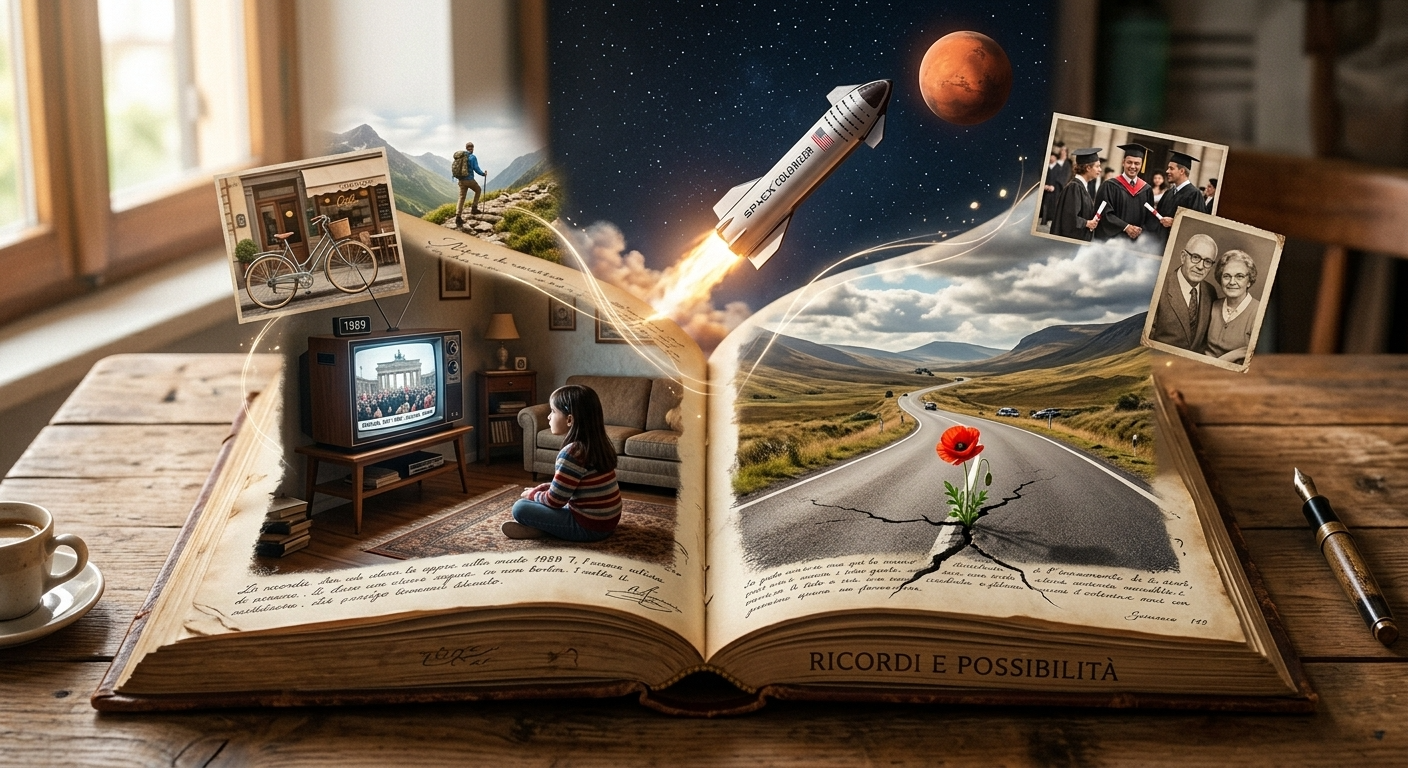
Dreams, Communists and Other Disasters was born from memories of a childhood in the 1980s: a time when great ideals, political discussions, fears, contradictions and fantasies mixed together in children's minds in unpredictable ways.

It is not a story about what was right or wrong. It is a story about how we saw things when we were children: with sincerity, imagination and a good deal of confusion. When I reread these stories, I found them amusing, so I hope you will too.

I said that Dreams, Communists and Other Disasters was born from memories of a childhood, but in fact the book goes beyond them: the story progresses as the narrator grows older, exploring the consequences of choices not made and possible alternative lives.

I started from my own life experience, but then I had fun mixing reality with dreams, inventing possible developments and new directions.

After all, as Umberto Eco wrote: “Those who do not read, by the age of 70 will have lived only one life: their own. Those who read will have lived 5,000 years.”

And so those of us who read — and write — can live several lives.

I wanted my book to reach people who do not speak Italian too. So, after improvising as a writer and publisher, I also took on the challenge of becoming a translator from Italian into English!

What about you? What was something strange, funny or completely wrong that you were convinced was true when you were a child? And what alternative lives would you have liked to live?


Discover Dreams, Communists and Other Disasters in the Books section.